How to identify each pest, the damage it causes, how to prevent it and when to act. Insecticides are always the last resort.
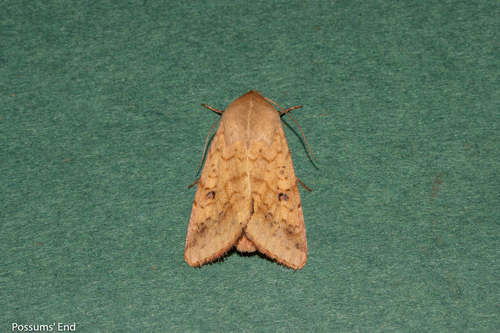
Cotton Bollworm Moth
Helicoverpa armigera
Photo: (c) Possums' End, some rights reserved (CC BY) (CC BY 4.0)
How to identify it
Eggs: round, ribbed, 0.4-0.6 mm, white turning greenish, laid singly on silks, buds and young parts.
Larva: very variable colour (green, yellow to red-brown) with dark broken stripes along the side; up to 40 mm.
Adult moth: wingspan 30-40 mm; forewings yellowish to orange (female) or greenish-grey (male); hindwings pale with a dark band at the edge.
Damage
Corn: feeds on silks and kernels at the ear tip.
Tomato and chili: young larvae eat leaves, then bore round holes into fruits and hollow them out.
Prevention
Field sanitation; rotate with non-host crops.
Marigold as a trap crop (e.g. one row per 18 rows of chili); maize or sorghum guard rows.
Bird perches; pheromone traps (4-5 per acre) to follow moth flights.
Natural enemies
Trichogramma egg parasitoid releases from flowering; Bt and Helicoverpa NPV sprays; neem.
When to act
No published threshold found yet; set one for your farm in the ENTOCULA field map.
Insecticide only as a last resort, when monitoring shows the threshold is reached and natural enemies are not keeping up. Use only FPA-registered products for this crop and pest, at label rate, with protective equipment, and respect the pre-harvest interval. Rotate insecticide groups to slow resistance.
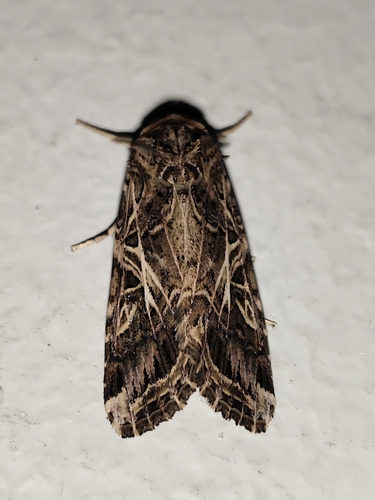
Photo: (c) Gabriel Cerino Rieper, some rights reserved (CC BY) (CC BY 4.0)
How to identify it
Eggs: clusters of about 300 covered with brown hairs.
Larva: velvety, 35-40 mm when grown, dark with yellowish-green stripes and white side bands; young larvae greenish.
Adult moth: stout, forewings pale grey to dark brown with wavy white lines; active at night.
Damage
Young larvae scrape leaves to a papery white; older larvae eat holes, skeletonise leaves and bore fruit; can cut seedlings.
Prevention
Field sanitation; destroy egg masses and groups of young larvae.
Castor as a trap crop along borders; light traps and pheromone traps for monitoring.
Keep rice fields flooded (rice).
Natural enemies
Egg and larval parasitoids, predators, and fungal and viral diseases; Bt, NPV and neem on young larvae.
When to act
No published threshold found yet; set one for your farm in the ENTOCULA field map.
Insecticide only as a last resort, when monitoring shows the threshold is reached and natural enemies are not keeping up. Use only FPA-registered products for this crop and pest, at label rate, with protective equipment, and respect the pre-harvest interval. Rotate insecticide groups to slow resistance.
Limited sources so far. Check with your municipal agriculturist.
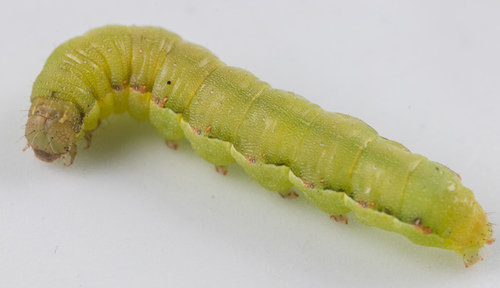
Photo: (c) portioid, some rights reserved (CC BY) (CC BY 4.0)
How to identify it
Adult: drab brown-grey moth, wingspan 26-32 mm, with a pale round spot on the forewing.
Larva: green to dark, with pale lines along the body.
Damage
Leaf feeding and skeletonising; also bores into fruit and heads.
Prevention
Remove weeds and crop residues; hand-pick egg masses.
Natural enemies
Parasitoids and diseases; Bt and NPV products.
When to act
No published threshold found yet; set one for your farm in the ENTOCULA field map.
Insecticide only as a last resort, when monitoring shows the threshold is reached and natural enemies are not keeping up. Use only FPA-registered products for this crop and pest, at label rate, with protective equipment, and respect the pre-harvest interval. Rotate insecticide groups to slow resistance.
Limited sources so far. Check with your municipal agriculturist.
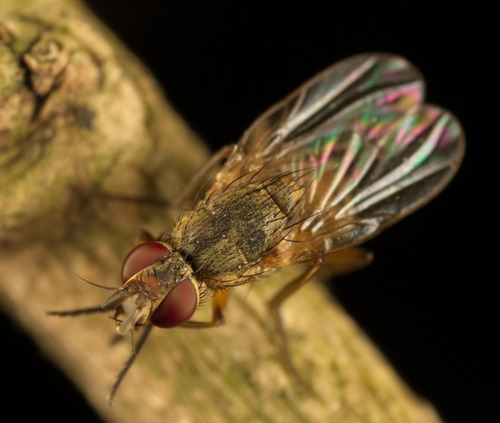
Photo: (c) portioid, some rights reserved (CC BY) (CC BY 4.0)
How to identify it
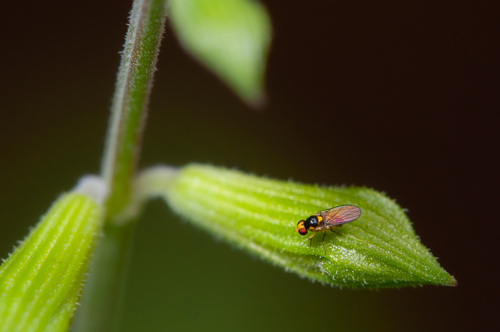
Pepper fruit fly (tomato fly): small yellow-bodied fly 3.5-5 mm; maggots in decaying fruit.
Damage
Breeds in ripe, damaged or rotting fruit of pepper and tomato; often a secondary pest after other damage.
Prevention
Remove damaged and rotting fruit; good field hygiene.
When to act
No published threshold found yet; set one for your farm in the ENTOCULA field map.
Insecticide only as a last resort, when monitoring shows the threshold is reached and natural enemies are not keeping up. Use only FPA-registered products for this crop and pest, at label rate, with protective equipment, and respect the pre-harvest interval. Rotate insecticide groups to slow resistance.
Photo: (c) Mihajlo Tomić, some rights reserved (CC BY) (CC BY 4.0)
How to identify it
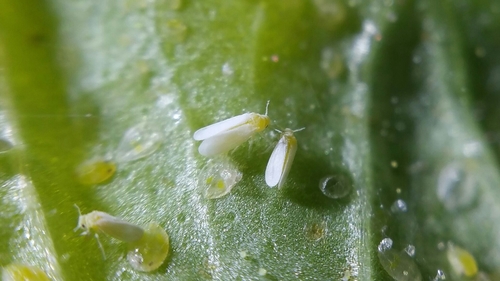
Adult: tiny (about 1 mm) white, moth-like insect with powdery wings held roof-like over the body; flies up when leaves are shaken.
Eggs: pear-shaped, about 0.25 mm, standing on leaf undersides.
Nymphs: flat, oval, greenish-yellow scales under leaves.
Damage
Yellowing, leaf curl and drop; honeydew and sooty mould. Spreads tomato leaf curl virus.
Prevention
Yellow sticky traps (10-12 per hectare at 15 cm above the canopy for monitoring).
Border rows of corn or sorghum; remove infected and weed hosts.
Natural enemies
Encarsia and Eretmocerus parasitoids, lacewings, ladybirds; neem.
When to act
No published threshold found yet; set one for your farm in the ENTOCULA field map.
Insecticide only as a last resort, when monitoring shows the threshold is reached and natural enemies are not keeping up. Use only FPA-registered products for this crop and pest, at label rate, with protective equipment, and respect the pre-harvest interval. Rotate insecticide groups to slow resistance.
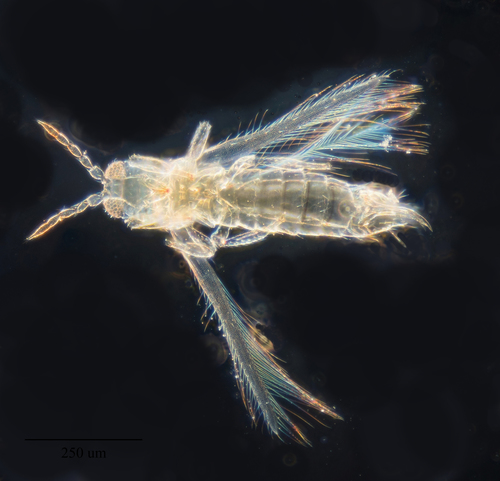
Adult: about 1 mm, narrow, yellow, two pairs of fringed wings; nymphs yellow-white and wingless. Just visible to the naked eye.
Damage
Silvering or bronzing of leaves along veins; scarred young fruit on eggplant; warty scars on chili; heavy feeding deforms or kills plants. Spreads tospoviruses.
Prevention
Raise seedlings under fine insect netting away from field crops.
Weed control (flowering weeds attract thrips); avoid overlapping plantings.
Blue sticky traps for monitoring; burn crop residues.
Natural enemies
Predatory bugs (Orius), predatory mites, lacewings; oil or soap sprays suppress thrips enough for predators to build up.
When to act
No published threshold found yet; set one for your farm in the ENTOCULA field map.
Insecticide only as a last resort, when monitoring shows the threshold is reached and natural enemies are not keeping up. Use only FPA-registered products for this crop and pest, at label rate, with protective equipment, and respect the pre-harvest interval. Rotate insecticide groups to slow resistance.
Limited sources so far. Check with your municipal agriculturist.
Photo: (c) Reynante Martinez, some rights reserved (CC BY) (CC BY 4.0)
How to identify it
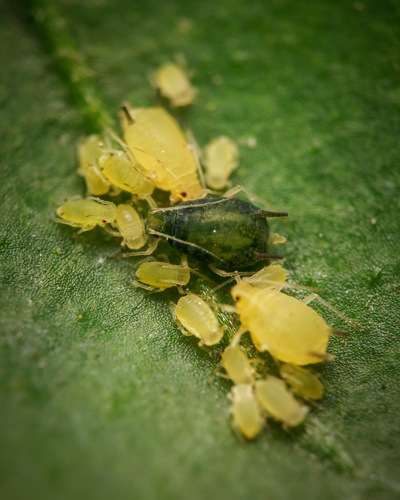
Small (1-4 mm), soft-bodied, light green to dark green aphids with two short cornicles; colonies on shoots and leaf undersides.
Damage
Yellowing and curled young leaves; honeydew and sooty mould; spreads viruses.
Prevention
Avoid excess nitrogen; remove heavily infested leaves; control ants that protect aphids.
Natural enemies
Aphidius and Aphelinus parasitoids, ladybirds, syrphid flies and lacewings.
When to act
No published threshold found yet; set one for your farm in the ENTOCULA field map.
Insecticide only as a last resort, when monitoring shows the threshold is reached and natural enemies are not keeping up. Use only FPA-registered products for this crop and pest, at label rate, with protective equipment, and respect the pre-harvest interval. Rotate insecticide groups to slow resistance.
Limited sources so far. Check with your municipal agriculturist.
Photo: no rights reserved (CC0 1.0)
How to identify it
Tiny slender straw-yellow thrips; adults with heavily fringed wings.
Damage
Chili leaves curl upward, crumble and drop; buds drop; fruit scarred with light brown marks; plants stunted.
Prevention
Sesbania barrier rows; do not grow chili next to onion; sprinkle water on seedlings.
Natural enemies
Predatory mites and Orius bugs.
When to act
No published threshold found yet; set one for your farm in the ENTOCULA field map.
Insecticide only as a last resort, when monitoring shows the threshold is reached and natural enemies are not keeping up. Use only FPA-registered products for this crop and pest, at label rate, with protective equipment, and respect the pre-harvest interval. Rotate insecticide groups to slow resistance.
Limited sources so far. Check with your municipal agriculturist.
Photo: no rights reserved (CC0 1.0)
How to identify it
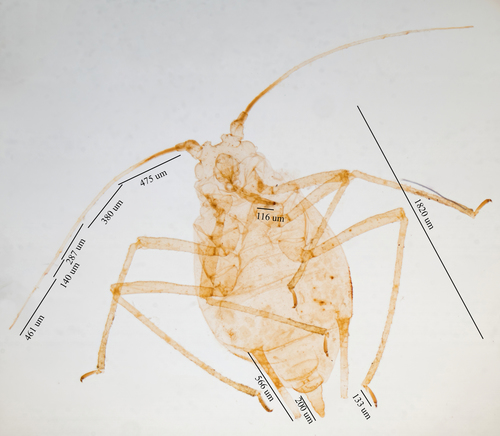
Green peach aphid: light green to greenish-brown, usually wingless, with a pair of cornicles; gives birth to live young.
Damage
Curled, yellowed young leaves; honeydew and sooty mould; important virus vector.
Prevention
Avoid excess nitrogen; yellow sticky traps for monitoring.
Natural enemies
Lacewing larvae, ladybirds and aphid parasitoids.
When to act
No published threshold found yet; set one for your farm in the ENTOCULA field map.
Insecticide only as a last resort, when monitoring shows the threshold is reached and natural enemies are not keeping up. Use only FPA-registered products for this crop and pest, at label rate, with protective equipment, and respect the pre-harvest interval. Rotate insecticide groups to slow resistance.
Limited sources so far. Check with your municipal agriculturist.
Photo: (c) AnnLazaro, some rights reserved (CC BY-SA) (CC BY-SA 4.0)
How to identify it
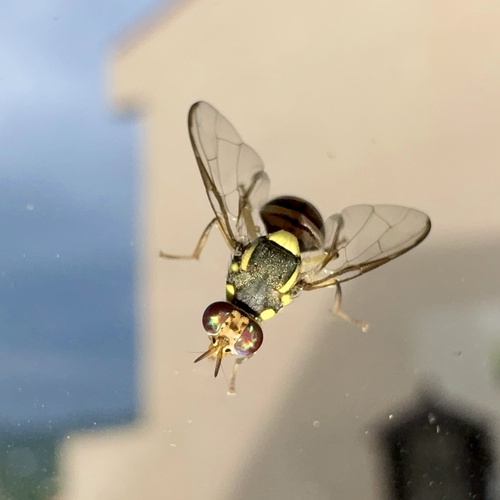
Adult: fruit fly with a mostly black thorax with yellow markings and a dark "T" mark on the abdomen.
Maggots inside fruit.
Damage
Females lay eggs in ripening fruit; maggots rot the fruit, which drops early.
Prevention
Collect and destroy fallen and infested fruit (bury deeply or seal in bags).
Bag fruit where practical.
Male-lure traps with methyl eugenol for monitoring and mass trapping of males.
When to act
No published threshold found yet; set one for your farm in the ENTOCULA field map.
Insecticide only as a last resort, when monitoring shows the threshold is reached and natural enemies are not keeping up. Use only FPA-registered products for this crop and pest, at label rate, with protective equipment, and respect the pre-harvest interval. Rotate insecticide groups to slow resistance.
Parasitoid wasps (e.g. Diglyphus) usually control leafminers unless killed by sprays.
When to act
No published threshold found yet; set one for your farm in the ENTOCULA field map.
Insecticide only as a last resort, when monitoring shows the threshold is reached and natural enemies are not keeping up. Use only FPA-registered products for this crop and pest, at label rate, with protective equipment, and respect the pre-harvest interval. Rotate insecticide groups to slow resistance.
Larva: legless maggot up to about 3 mm inside the mine; pupates in the soil.
Damage
Serpentine mines in leaves; severe attack dries and drops leaves.
Prevention
Avoid excess nitrogen; intercrop with beans; yellow sticky traps (about 10 per acre).
Natural enemies
Tetrastichus and Diglyphus parasitoids, lacewings, ladybirds, spiders.
When to act
No published threshold found yet; set one for your farm in the ENTOCULA field map.
Insecticide only as a last resort, when monitoring shows the threshold is reached and natural enemies are not keeping up. Use only FPA-registered products for this crop and pest, at label rate, with protective equipment, and respect the pre-harvest interval. Rotate insecticide groups to slow resistance.
Unreviewed guide. Written from the cited sources (IRRI, PhilRice, UPLB, CIMMYT, Pacific Pests, Government of India IPM packages, Wikipedia) and retrieved 2026-11-12. Use only FPA-registered pesticides, at label rates. Check local recommendations with your municipal agriculturist.